

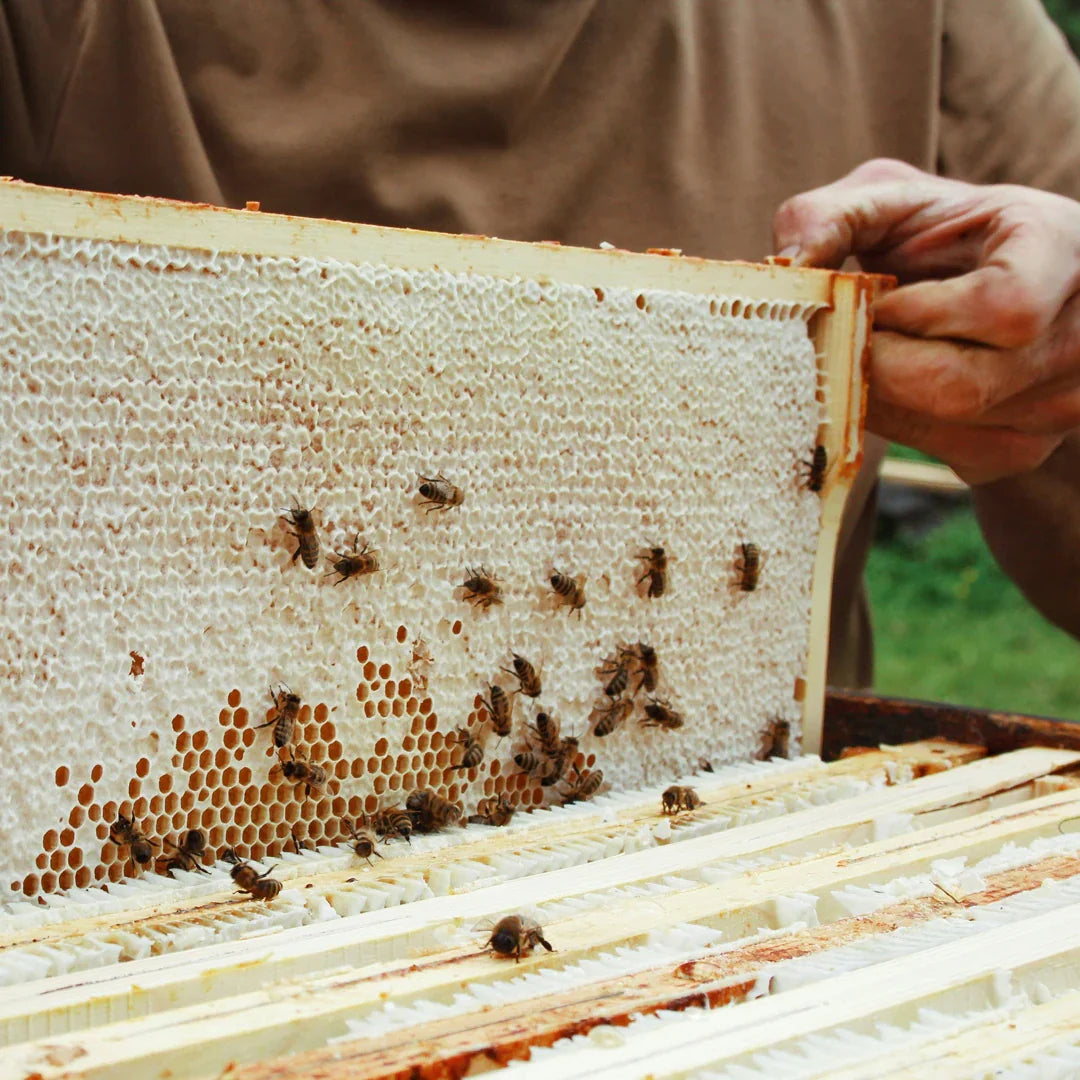
Meet the Beekeepers Behind Our Honey
Behind every jar of premium Australian honey is something far more important than packaging or branding — a beekeeper.
Beekeeping is not simply honey production. It is land stewardship, environmental responsibility and partnership with one of nature’s most essential pollinators. At Honey Australia, we believe the story behind the hive matters just as much as the honey inside the jar.
Here’s a closer look at the people and practices behind sustainable Australian honey.
The Role of the Modern Australian Beekeeper
Australian beekeepers manage far more than honey extraction. Their work includes:
- Monitoring hive health
- Managing seasonal hive movements
- Protecting bees from pests and disease
- Supporting pollination of native flora and crops
- Harvesting honey responsibly
Unlike industrial-scale agriculture, sustainable honey production relies on careful timing and observation. Bees determine much of the process — beekeepers guide and protect.
Following the Bloom: Seasonal Hive Movement
Australia’s diverse climate means flowering seasons vary across regions. Beekeepers often relocate hives to follow nectar flows.
For example:
- Eucalyptus forests may bloom in one region
- Ironbark trees in another
- Native wildflowers elsewhere
- Leaving sufficient honey for bees to survive winter
- Avoiding over-harvesting
- Minimising stress during hive inspections
- Supporting strong queen genetics
- Avoiding unnecessary chemical use
- Ironbark (bold and malty)
- Leatherwood (floral and aromatic)
- Manuka (rich and earthy)
- Wildflower (light and delicate)
- Native ecosystems
- Agricultural crops
- Biodiversity
- Food security
- Rainfall
- Temperature
- Bloom intensity
- Regional conditions
By positioning hives near abundant flowering plants, bees produce single-origin honey varieties with distinctive flavour profiles.
This seasonal movement is essential for both honey quality and bee health.
Ethical Hive Management
Responsible beekeeping prioritises bee welfare.
Ethical practices include:
Healthy bees produce better honey. Sustainable practices protect both the colony and the environment.
Why Australian Honey Is Unique
Australia’s native flora produces honey unlike anywhere else in the world.
Varieties such as:
…reflect the landscape where bees forage.
By working closely with natural flowering cycles, Australian beekeepers capture these unique flavour expressions.
Sustainability and Biodiversity
Beekeeping supports pollination, which directly impacts:
Healthy pollinator populations strengthen environmental resilience.
Sustainable honey production is not just about harvesting honey — it’s about protecting habitats and encouraging biodiversity.
A Craft, Not a Commodity
Premium Australian honey is agricultural craftsmanship. Each season produces subtle variations depending on:
No two harvests are identical.
When you purchase raw Australian honey, you’re tasting a specific time and place — shaped by beekeeper knowledge and natural cycles.
Final Thoughts
The story behind Honey Australia begins in the hive.
Our beekeepers are custodians of both bees and landscape, working in harmony with seasonal rhythms to produce exceptional honey. Their care, observation and commitment to sustainability ensure every jar reflects quality, authenticity and environmental responsibility.
Because great honey starts with great stewardship.


Leave a comment
All comments are moderated before being published.
This site is protected by hCaptcha and the hCaptcha Privacy Policy and Terms of Service apply.